

Så här fungerar uttagstiderna på CityLarm: Vad du behöver veta
September 1, 2026Upptäck de hetaste spelen på Bästa live casino utan licens: En guide till live
September 1, 2026
The Allure of Casino Environment
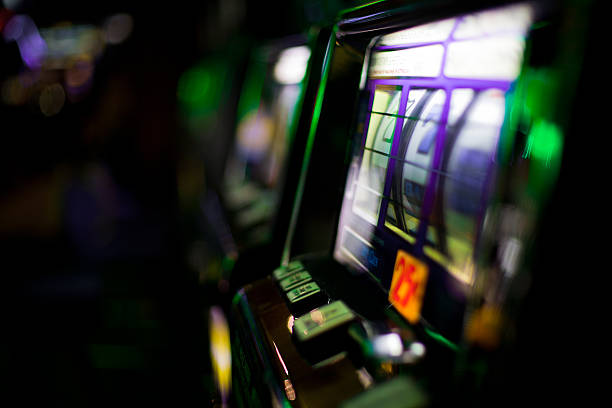
The casino environment is meticulously designed to create an immersive experience that captivates players. Bright lights, vibrant colors, and enticing sounds all work together to enhance the sensory experience. This carefully curated atmosphere is not merely for aesthetics; it serves a psychological purpose. These elements stimulate excitement and anticipation, making it difficult for individuals to resist the allure of trying their luck at casino online games. The environment also helps to distract players from the time spent gambling, which can lead them to place more bets than they might initially intend.
Moreover, the arrangement of games and machines plays a vital role in influencing player behavior. Casinos often position high-stakes games near entrances or central areas to attract attention. This strategic placement encourages passersby to engage in gambling, even if they were not planning to do so. The social aspect of casinos also contributes to their appeal; people are drawn to the idea of collective excitement and shared experiences, often leading to increased levels of gambling as they wish to join in on the fun.
Additionally, the absence of clocks and windows further deepens the sense of escapism. Players can lose track of time while surrounded by stimulating visuals and sounds. This design choice is intentional, as it encourages prolonged gambling sessions. The idea of ‘just one more game’ reverberates for many individuals as they become entranced in the environment, ultimately leading to greater financial expenditure. In this way, the casino atmosphere plays a significant role in establishing and maintaining player involvement.
The Role of Cognitive Biases
Cognitive biases significantly influence how individuals perceive their chances of winning in a casino setting. One common bias is the gambler’s fallacy, where players believe that past outcomes can affect future results. For instance, someone might think that a slot machine is ‘due’ for a payout after a series of losses, prompting them to play longer than they originally planned. This faulty reasoning can lead to chasing losses, where individuals continue to gamble in hopes of recouping what they’ve already lost.
The illusion of control is another psychological element at play in gambling. Many players believe that they can influence the outcome of game results through skill or strategy, despite these games often being based purely on chance. For example, poker involves skill, but even the most skilled players cannot guarantee victory every time. This belief allows players to justify their gambling behavior, reinforcing the cycle of play and increasing the likelihood of continued investment in the game.

Moreover, the concept of near misses—when a player almost wins but ultimately does not—can also create a powerful psychological effect. These near misses can trigger feelings of hope and encourage players to continue gambling, believing that they are ‘close’ to winning. This phenomenon is prevalent in machines and games, where players may receive frequent near misses to maintain engagement. These cognitive biases illustrate how the mind can be manipulated in a casino environment, leading to irrational decision-making and increased gambling behavior.
The Impact of Emotional States
Emotions play a crucial role in the gambling experience, often driving individuals to engage in behaviors they might otherwise avoid. Many people turn to gambling as a means of escaping negative emotions such as stress, anxiety, or depression. The thrill of placing a bet or hitting a jackpot can provide a temporary relief from emotional pain. However, this escape can lead to a vicious cycle where individuals rely on gambling as a coping mechanism for their feelings.
Conversely, positive emotions can also heighten the gambling experience. The excitement of winning, the thrill of competition, and the joy of socializing with others can contribute to a euphoric state. Casinos harness this emotional engagement by providing reinforcement through wins, encouraging players to associate gambling with positive feelings. Players are likely to remember exciting wins more vividly than losses, creating a skewed perspective that promotes continued participation in gambling activities.
Furthermore, the role of peer influence cannot be understated in the emotional dynamics of gambling. Individuals are likely to mirror the behaviors and reactions of their companions, leading to an amplified emotional experience. When surrounded by enthusiastic friends or fellow gamblers, a person may feel a surge of excitement that compels them to wager more than they might typically consider. This collective emotional engagement creates a shared experience that can perpetuate gambling behavior and encourage individuals to take greater risks.
The Social and Cultural Aspects of Gambling
Gambling is often intertwined with social and cultural practices, influencing how individuals perceive and engage with it. In many societies, gambling serves as a form of entertainment, creating social bonds among participants. Rituals and celebrations frequently incorporate gambling activities, reinforcing its acceptance as a leisure activity. This cultural framing can normalize gambling behavior, making it more attractive and accessible to individuals who may otherwise refrain from it.
Additionally, the legality and availability of gambling vary significantly across different regions. Some cultures embrace it, leading to vibrant gambling industries, while others may stigmatize or prohibit it. The perception of gambling as a harmless pastime or a serious vice can shape individual beliefs and behaviors. In areas where gambling is celebrated, individuals may be more inclined to participate, viewing it as a rite of passage or a shared social practice.
The influence of media cannot be overlooked in shaping societal attitudes toward gambling. Movies, television shows, and advertisements often glamorize the gambling experience, portraying it as a thrilling adventure that can lead to wealth and success. Such representations contribute to unrealistic expectations among individuals, who may enter casinos with the belief that they, too, can achieve similar outcomes. These social narratives can significantly impact the gambling psyche, leading to increased participation and potential addiction.
Exploring Responsible Gambling Resources
Understanding the psychology behind casino gambling is essential for fostering responsible gambling behaviors. Many organizations focus on educating players about the psychological tricks employed by casinos, helping them make more informed decisions. These resources often provide tools for managing gambling habits, such as setting limits on time and money spent, promoting self-awareness, and encouraging players to recognize when they’re losing control. By equipping individuals with the knowledge of psychological influences, they can be better prepared to engage responsibly.
Additionally, many casinos and online platforms offer programs to promote responsible gambling. These initiatives aim to create a safer environment for players, emphasizing the importance of entertainment over profit. Players are encouraged to approach gambling as a leisure activity rather than a means to achieve financial gain. Such programs may also include self-exclusion options for those who feel they may be at risk of developing problematic gambling habits.
By leveraging education and promoting responsible gambling, individuals can enjoy the thrills of the casino atmosphere while minimizing the risks associated with gambling. The psychological insights gained from understanding the motivations and behaviors behind gambling can empower players to engage in a healthier manner, ensuring that the experience remains enjoyable without leading to potential harm or addiction.
